




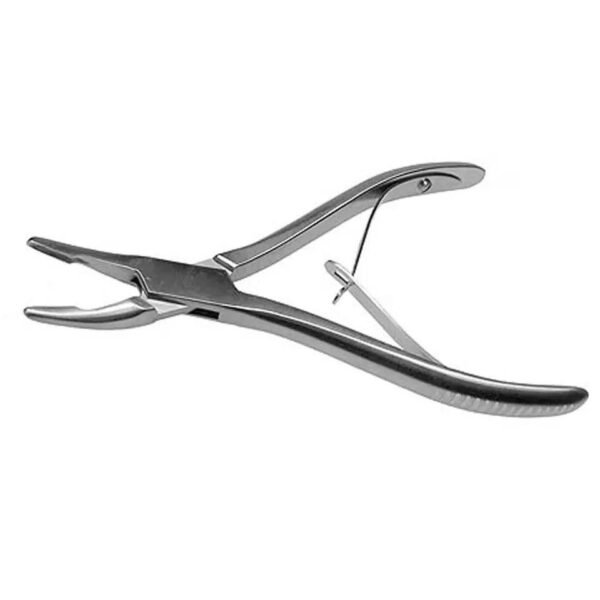
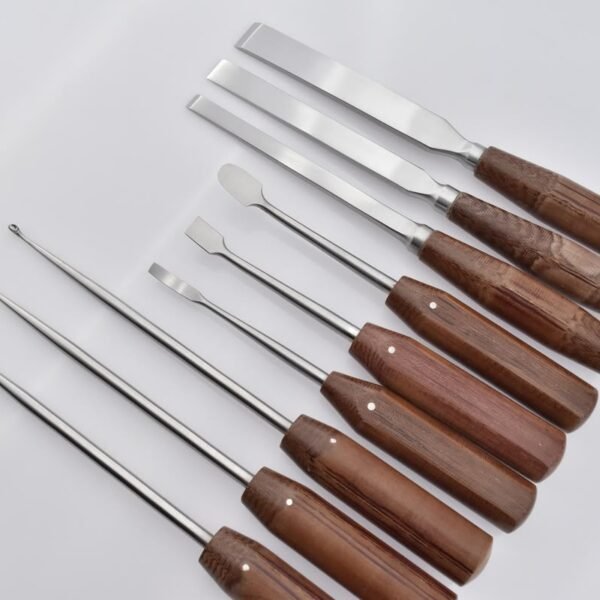
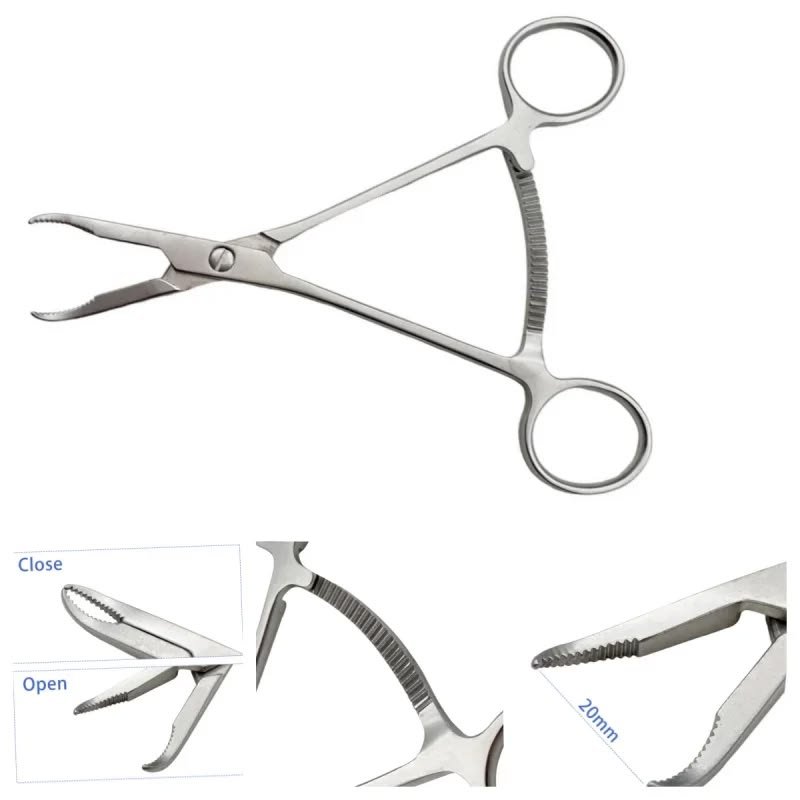
Orthopedic Bone Holding Forceps are surgical instruments designed to grasp and stabilize bone fragments during selected orthopedic and trauma procedures. They help qualified surgeons maintain control of bone positioning while performing appropriate surgical techniques.
These orthopedic instruments are available in various designs, with differences in jaw shape, handle style, size, and locking mechanism. The appropriate configuration depends on the intended application, anatomical requirements, and surgeon preference.
Bone holding forceps are important components of orthopedic surgical instrument sets used in hospitals, trauma centers, and specialist surgical facilities. SARS International provides professional instrument sourcing for healthcare institutions, surgical distributors, and medical procurement teams.
Contact us for information about available configurations, dimensions, material specifications, and bulk order requirements.
Key Features
- Designed for grasping and stabilizing bone fragments
- Different jaw patterns and sizes, depending on model
- Locking and non-locking designs may be available
- Stainless steel construction, subject to specification
- Designed for controlled surgical handling
- Suitable for selected orthopedic and trauma procedures
- Available for wholesale and institutional procurement inquiries
Applications
- Orthopedic trauma surgery
- Fracture management procedures
- Bone fragment stabilization
- Orthopedic operating rooms
- Hospital surgical instrument sets
Frequently Asked Questions
Q1: What are orthopedic bone holding forceps used for?
They are used to grasp and stabilize bone during appropriate orthopedic procedures.
Q2: Are different jaw designs available?
Yes, different patterns and sizes exist. Confirm the required model before ordering.
Q3: Are these instruments suitable for trauma surgery?
They may be used in appropriate trauma procedures, depending on their design and clinical requirements.
Q4: Can I order bone holding forceps in bulk?
Contact SARS International to discuss availability, quantities, and wholesale quotations.
Q5: How should these forceps be maintained?
Follow the manufacturer’s cleaning, inspection, maintenance, and sterilization instructions.

Reviews
Clear filtersThere are no reviews yet.